Susan Wiggs: 60-Plus Novels and What They Cost
Susan Wiggs sold her first book in 1986 while teaching full-time with a one-year-old at home. She's since written more than 60 novels, won three RITAs, and hit the New York Times, USA Today, and Publishers Weekly bestseller lists. We talk about what that life has cost — a decade of…

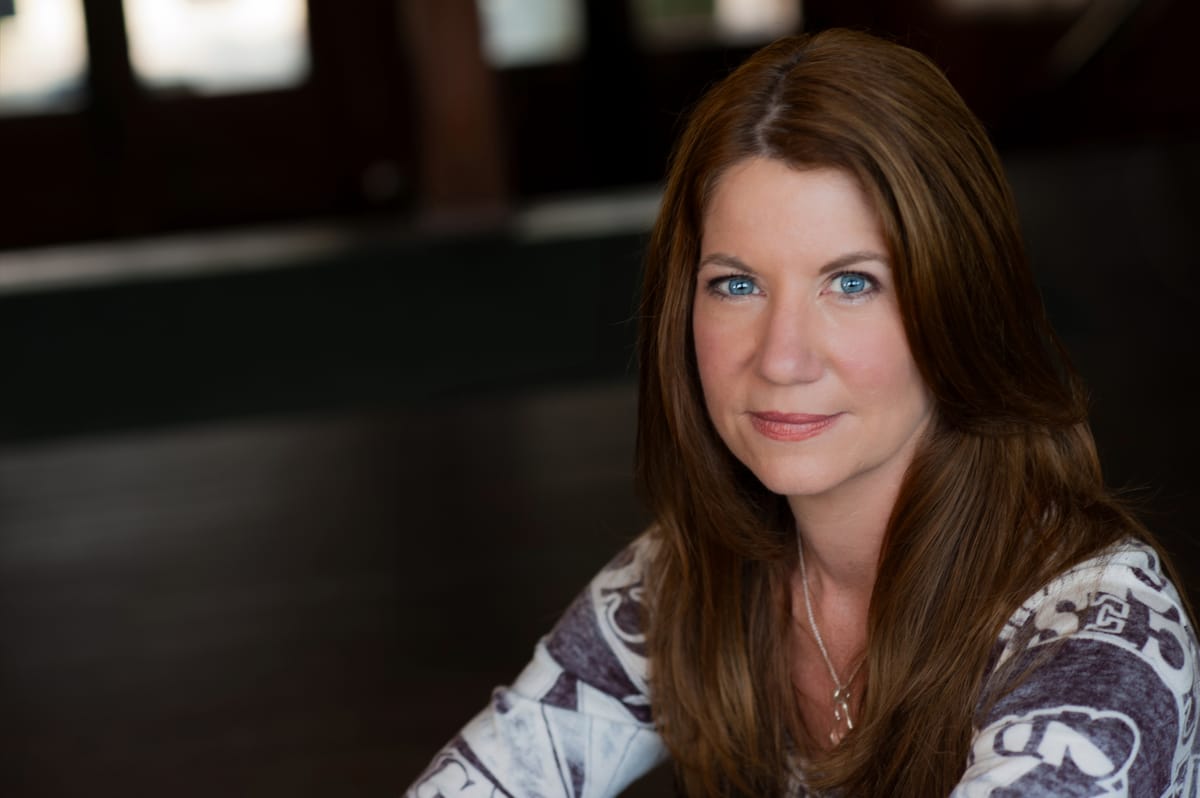
▶ Listen to this episode · 1h 1m
Susan Wiggs sold her first book in 1986 while teaching full-time with a one-year-old at home. She's since written more than 60 novels, won three RITAs, and hit the New York Times, USA Today, and Publishers Weekly bestseller lists. We talk about what that life has cost — a decade of television, some friendships, the steadiness of a predictable paycheck — and what it's given back. Also: the insecurity that never leaves, the bicycle wreck that nearly stopped her, and why she says you have to be ready when your luck comes around.
Key topics
- What she peeled away to make room for book after book
- Why she told almost no one she was writing a novel
- "Writers are one of the most insecure populations I can think of"
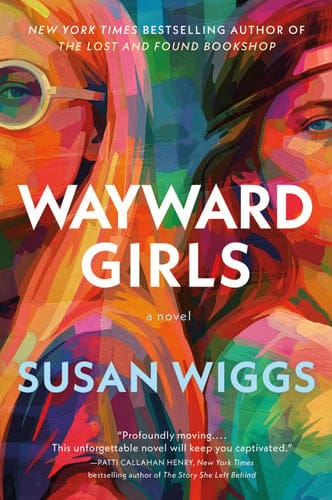
- Wayward Girls, the Good Shepherd homes, and New York's look-back law
- Why she'd rather be called a writer than an author
- Operation Baby Lift, and the book she's researching now
- The 2025 bicycle accident and a year of recovery
- Book signings where nobody came
Timestamps
02:03 A decade of TV, and the friendships that went
03:30 Uncertainty, anxiety, and the stress of being a sole proprietor
05:30 Creative gratification, and writing first drafts by hand
06:20 A stranger in foreign sales who sold her books around the world
07:34 What it cost her family — and her daughter's honest verdict
09:38 Texas in the eighties, and a first husband who wasn't a patron of the arts
10:15 Why she kept the novel to herself until she could point to a publisher
12:14 Confidence, insecurity, and never quite dropping the backup plan
14:19 Where the next book comes from — and Operation Baby Lift
16:47 On the term "women's fiction," and why she says commercial novels
18:18 Writer vs. author, and why the distinction matters to her
19:19 What she'd be doing if the writing hadn't taken
20:56 What she gave up: a predictable schedule, and health coverage
22:25 A typical writing day, and the four-hour limit
24:40 Admin, social media, and the other hats
27:14 "You don't want to be just a life support system for an imagination"
28:44 Stephen King, James Lee Burke, and why envy isn't the word
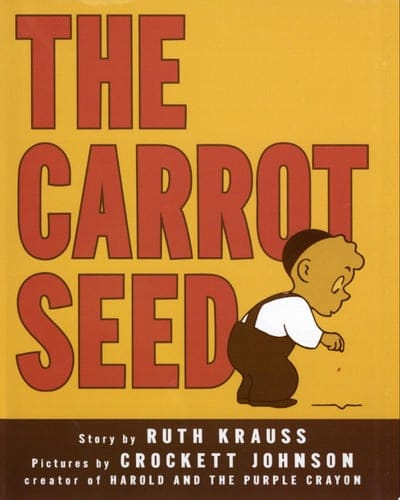
29:50 The Carrot Seed, the first book she ever read alone
30:53 What she'd tell her younger self — and what she wouldn't
33:15 The advice she got, and where to find the straight story
35:24 The imprint that closed, and the launch slot that opened
37:35 When paperbacks came out like magazines
40:30 A million words of apprenticeship, and avoiding writing programs
42:10 Whether it's harder to start now
43:28 The bicycle wreck, the airlift, and the year after
46:02 Beach-read covers with unplanned pregnancies inside
49:39 Her process: the pitch, the synopsis, and leaving room to be surprised
52:32 What people get wrong about writers' income and hours
54:29 The most unglamorous thing she did this week
55:59 The signings where nobody came
59:27 What's next: an eclipse in the North Sea